When you think of London, you might picture Big Ben, the London Eye, or the bustle of Oxford Street. But if you’re an animal lover, the city has a quieter, wilder side waiting to be explored. From sprawling parks where deer roam freely to world-class zoos that house rare species, London attractions for animal lovers are more diverse than most people realize. Whether you’re a local looking for a weekend escape or a visitor wanting to see the city through a different lens, there’s no shortage of places where animals take center stage.
London Zoo: Where Conservation Meets Community
Opened in 1828, London Zoo in Regent’s Park isn’t just the oldest scientific zoo in the world-it’s still one of the most active in animal conservation. Home to over 19,000 animals across 650 species, it’s a hub for research and breeding programs that help save endangered wildlife. You won’t just see lions and giraffes here; you’ll witness the rare Sumatran orangutans, a species with fewer than 14,000 left in the wild, or the critically endangered Amur leopards, of which only about 100 remain.
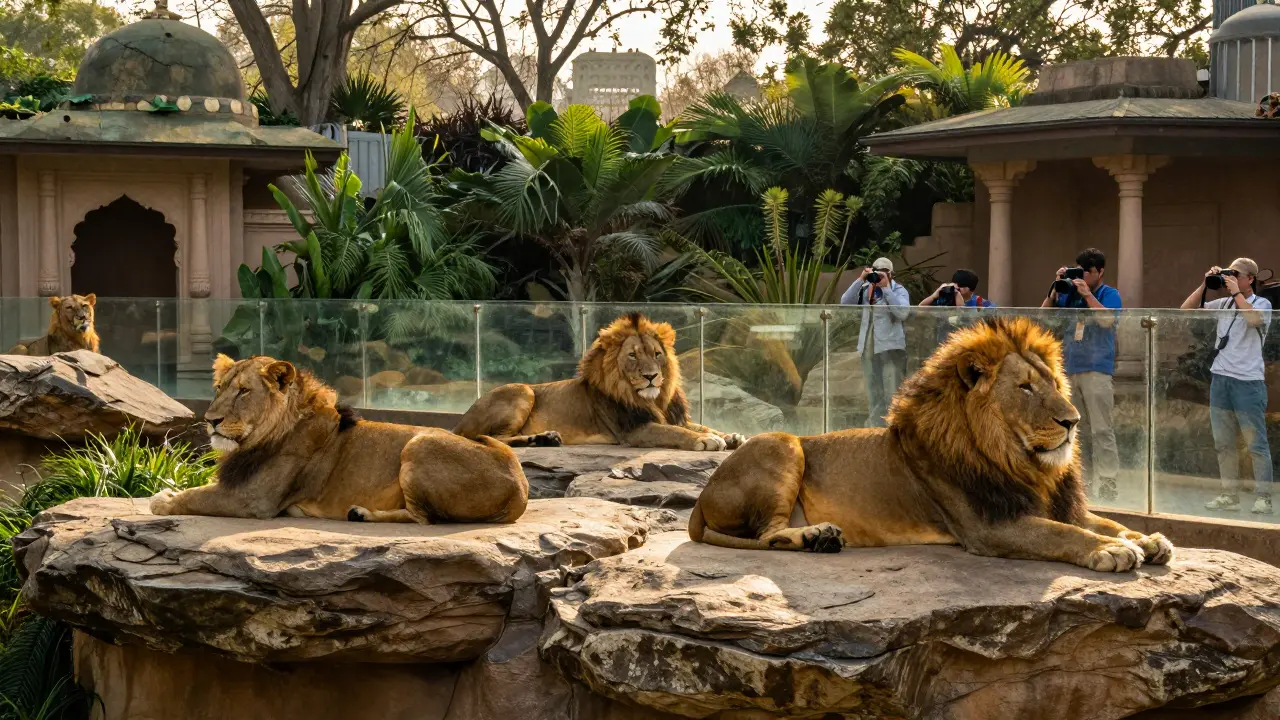
The zoo’s Land of the Lions exhibit, modeled after the Gir Forest in India, lets visitors watch Asiatic lions through a glass-fronted viewing area that mimics their natural habitat. Kids and adults alike line up for the daily keeper talks, where staff explain how the zoo partners with the ZSL (Zoological Society of London) to fund field projects across Africa and Asia. Tickets are £34 for adults, but locals know that joining as a ZSL member for £59/year pays for itself after just two visits-and includes free entry to Whipsnade Zoo too.
Richmond Park: London’s Wild Deer Reserve
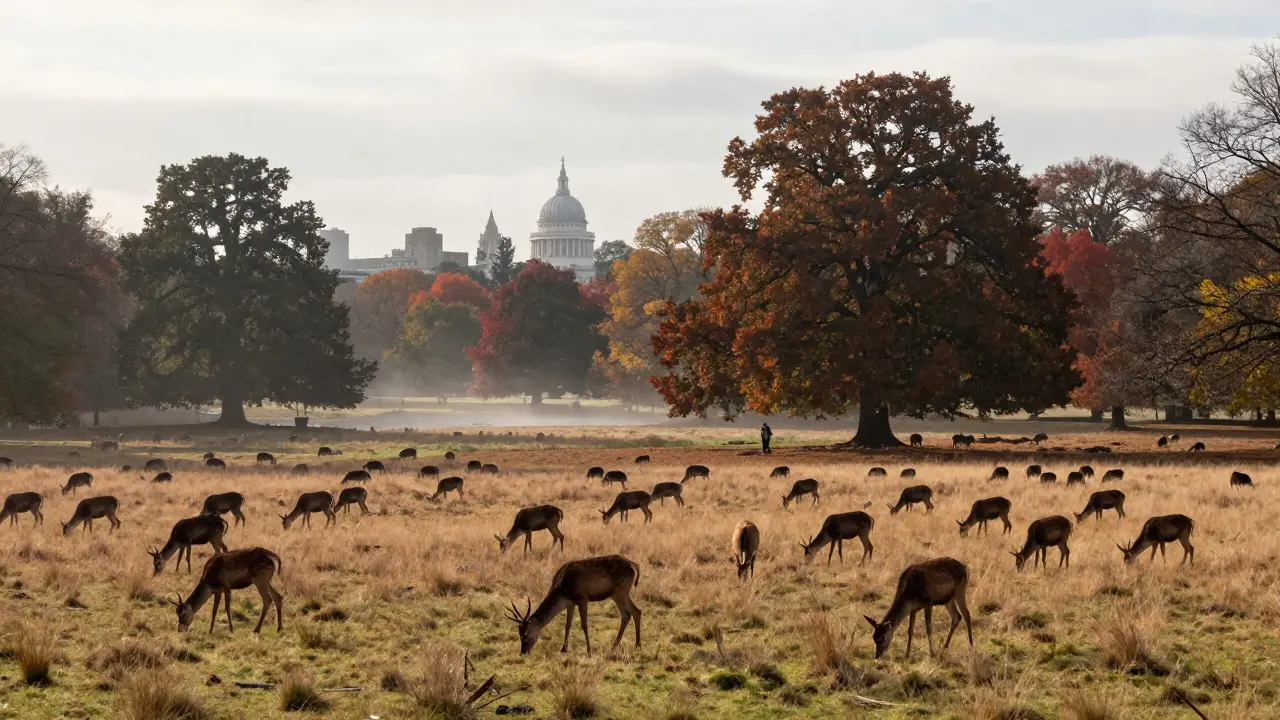
Just 12 miles from Central London, Richmond Park is the largest of the city’s Royal Parks and one of the best places in Europe to see wild deer up close. With over 600 red and fallow deer roaming freely across 2,500 acres, it feels more like a national park than an urban green space. The deer here aren’t caged, fed, or managed like zoo animals-they’re wild, seasonal, and sometimes unpredictable.
Visit in autumn, and you’ll hear the rutting calls of male red deer echoing through the trees. In spring, fawns appear near the Isabella Plantation’s flower beds, often spotted by families with strollers. Locals bring picnics to Pen Ponds or walk the ancient oak-lined paths of King Henry’s Mound, where you can see St. Paul’s Cathedral in the distance-a rare blend of nature and city skyline. Parking is free, and the park is open 24/7. Bring binoculars; the deer are shy, but the views are unforgettable.
Hampton Court Palace and Its Hidden Wildlife
Most tourists flock to Hampton Court for its Tudor history and maze, but few notice the palace’s thriving animal life. The 60-acre gardens are home to peacocks that strut like royalty (they’ve been here since the 17th century), a colony of bats in the palace’s roof spaces, and even a small flock of black swans on the River Thames that flows alongside the grounds. The palace’s walled kitchen garden is a haven for bees, butterflies, and hedgehogs, thanks to its organic planting and no-pesticide policy.
On weekends, the palace runs free wildlife walks led by Royal Parks volunteers. You’ll learn how to spot badger setts near the Rose Garden or identify the calls of tawny owls at dusk. Entry to the gardens is £18.50, but if you have a National Trust membership, it’s free-something many Londoners forget.
Regent’s Canal and the Urban Otters
Walk along the towpath of Regent’s Canal from Camden to Little Venice, and you might spot something unexpected: an otter. Once nearly extinct in the UK due to pollution, otters have made a quiet comeback in London’s waterways. Thanks to cleaner rivers and reintroduction programs, they’ve returned to the canal system, especially near the Islington stretch and around Haggerston.
There’s no guarantee you’ll see one, but locals know the best spots. Look for smooth, muddy trails along the water’s edge-otter spraints (droppings) are dark, slimy, and smell faintly like jasmine. Early mornings or dusk are your best chances. Bring a camera with a zoom lens; the city’s otters are elusive but incredibly photogenic. The Canal & River Trust even runs monthly wildlife walks that include otter tracking tips.
London’s Pet-Friendly Parks and Dog-Friendly Cafés
If your love for animals means you want to bring your own dog along, London is surprisingly accommodating. Hampstead Heath allows dogs off-leash in large sections, and the heath’s ponds are popular with dog swimmers in summer. Brockwell Park in Brixton has a dedicated dog agility course, and the nearby café, Broccoli, lets dogs sit on the patio with free water bowls and even dog-friendly cakes.
For a more curated experience, head to The Dog Café in Shoreditch, where you can sip flat whites while playing with adoptable rescue dogs. The café partners with Battersea Dogs & Cats Home, and every drink you buy helps fund rehoming. Other spots like Canine & Co. in Notting Hill offer dog yoga sessions and grooming services. London’s dog culture isn’t just trendy-it’s deeply woven into the city’s daily rhythm.

Wildlife Watching in Urban London: Beyond the Obvious
London isn’t just about zoos and parks. Even in the heart of the city, nature finds a way. The London Wetland Centre in Barnes, run by the Wildfowl & Wetlands Trust, is a 105-acre sanctuary for migratory birds. In winter, you can see thousands of pink-footed geese arriving from Iceland, their calls filling the air like a chorus. The center has hides with telescopes, guided bird walks, and even owl handling sessions for kids.
On the South Bank, the Thames Estuary is a hotspot for waders like oystercatchers and curlews. At low tide, you can walk along the mudflats near Battersea Power Station and spot seals basking on the riverbanks. The Thames is cleaner now than it’s been in 200 years, and its wildlife is booming. The London Wildlife Trust even runs a City Nature Challenge every spring, inviting locals to photograph and log urban wildlife-from hedgehogs in back gardens to peregrine falcons nesting on skyscrapers.
Seasonal Events for Animal Lovers
London’s animal scene changes with the seasons. In October, the London Zoo Lights event turns the zoo into a glowing wonderland with lanterns shaped like elephants and tigers. In March, the London Bird Fair at the ExCeL Centre brings together birdwatchers from across the UK for talks, gear stalls, and rare bird sightings.
For families, the London Animal Welfare Fair at the Natural History Museum (held every June) offers hands-on activities with rescued animals, vet demonstrations, and adoption booths. And don’t miss the London Otter Day in September-a one-day event on the Regent’s Canal with live music, otter-themed art, and free hot chocolate for kids.
What to Bring and How to Plan
Most of these places are free or low-cost, but planning matters. Pack layers-London weather changes fast. Waterproof boots are a must for wetland walks. Bring a reusable water bottle; many sites now have refill stations. For zoos and paid gardens, book tickets online in advance. London Zoo, for example, often sells out on weekends.
Use the Transport for London app to plan routes. Many animal attractions are easily reachable by Tube or Overground: London Zoo (Baker Street), Richmond Park (Richmond station), Hampton Court (Hampton Court station), and the Wetland Centre (Barnes Bridge). Consider getting an Oyster card or using contactless payment-it’s cheaper than cash and faster.
And if you’re feeling generous? Donate to the London Wildlife Trust or adopt an animal through ZSL. For £5 a month, you can support a red panda, a pangolin, or even a London otter. It’s a small way to help the city’s wild heart keep beating.
Are there any free animal attractions in London?
Yes. Richmond Park, Hampstead Heath, and the Regent’s Canal towpath are all free to enter and offer excellent wildlife viewing. You can also spot birds and seals along the Thames at low tide without paying a penny. The London Wetland Centre offers free entry on the first Sunday of every month.
Can I bring my dog to London Zoo?
No, dogs aren’t allowed inside London Zoo, except for registered assistance dogs. But Richmond Park, Brockwell Park, and Hampstead Heath are all dog-friendly. Some cafes near the zoo, like Regent’s Park Café, welcome dogs on their outdoor terraces.
Where’s the best place to see otters in London?
Your best chance is along the Regent’s Canal between Camden and Haggerston, especially at dawn or dusk. The London Wildlife Trust offers guided otter-watching walks in autumn. You can also spot them near the River Lea in East London, particularly around Hackney Marshes.
Is London Zoo worth visiting with kids?
Absolutely. The zoo has dedicated play areas, interactive feeding sessions, and a children’s farm with goats, rabbits, and guinea pigs. The Animal Adventure trail is designed for kids under 10, with puzzles and stickers to collect. Many families visit twice a year-once in spring for baby animals, once in winter for the lights.
What’s the best time of year to see wildlife in London?
Spring (March-May) is ideal for baby animals at the zoo and nesting birds in the parks. Autumn (September-November) brings migratory geese to the Wetland Centre and rutting deer in Richmond Park. Winter offers the clearest views of seals on the Thames and the magical London Zoo Lights event. Summer is busy but great for dog-friendly parks and canal walks.
If you’ve ever thought London was too concrete for wildlife, think again. The city’s animal life isn’t hidden-it’s just waiting for you to look closer. Whether you’re walking your dog through a Royal Park, spotting a kingfisher by the canal, or watching a lion yawn at London Zoo, these moments remind you that nature doesn’t need countryside to thrive. It just needs someone to notice.