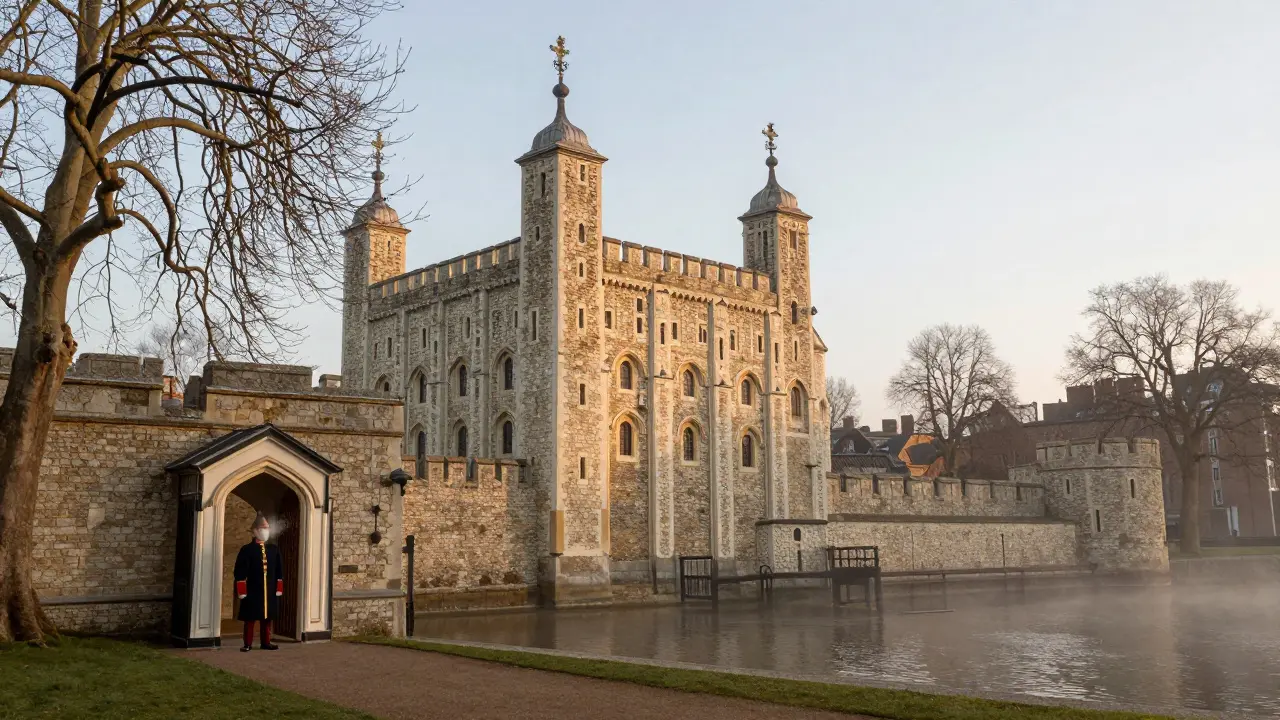
In London, few places carry the weight of history like the Tower of London. Standing just a stone’s throw from Tower Bridge and the bustling banks of the Thames, this ancient fortress has watched over the city for nearly 1,000 years. It’s not just a tourist spot - it’s a living relic, a place where kings were crowned, traitors were executed, and the Crown Jewels have been guarded since the 13th century. For Londoners, it’s more than a landmark. It’s part of the city’s DNA.
Where History Was Made - And Sometimes Lost
The Tower wasn’t built to be a palace. William the Conqueror ordered it in 1078 as a symbol of Norman power, a way to intimidate the people of London after the conquest. The White Tower, the central keep, still dominates the skyline today. Its thick walls, built from Caen stone shipped from Normandy, were meant to last - and they have. Walk through its archways, and you’re walking the same stones that Henry III, Edward I, and Elizabeth I once trod.
It’s where Anne Boleyn was beheaded in 1536, just outside the chapel of St Peter ad Vincula. Her grave is still there, marked simply, quietly, under a stone slab. You won’t find a grand monument, just a quiet spot near the chapel door - a detail most tourists miss. Locals know: if you want to feel the real weight of history, don’t just rush to the Crown Jewels. Stand in that chapel for a minute. Listen.
The Crown Jewels: A Symbol of Power, Not Just Sparkle
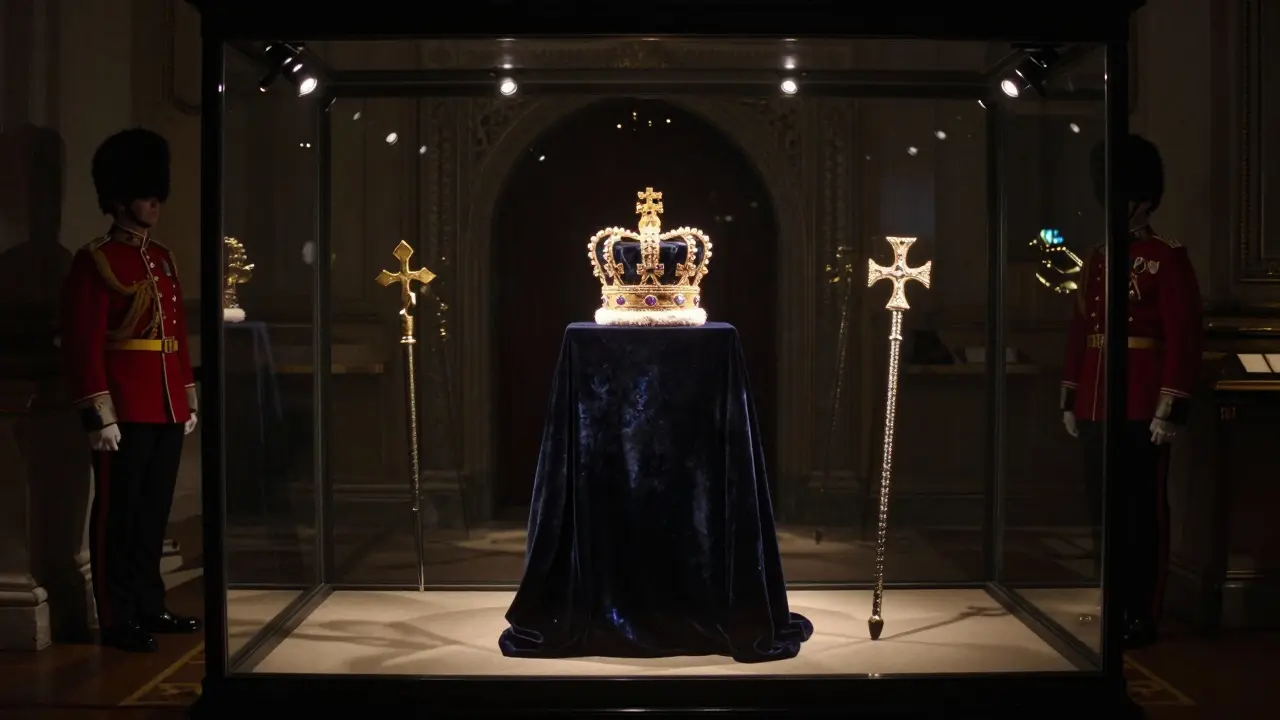
The Crown Jewels are the Tower’s biggest draw, and for good reason. The Imperial State Crown, worn by the monarch at every State Opening of Parliament, contains over 3,000 gems - including the 317-carat Cullinan II diamond, the second-largest stone cut from the original Cullinan diamond found in South Africa. The Sovereign’s Sceptre with Cross holds the 530-carat Star of Africa, the largest clear cut diamond in the world. These aren’t museum pieces. They’re still used in ceremonies. When the King processes into Westminster, he’s wearing the same regalia that Charles II wore after the Restoration.
The jewels are guarded 24/7 by the Yeomen Warders - better known as Beefeaters. These aren’t actors. They’re retired soldiers from the British Army, with at least 22 years of service. Many live on-site in the Tower with their families. If you chat with one during a tour, they’ll likely tell you about the time they saw a tourist try to sneak a selfie with the crown - or how the ravens were once moved to Windsor during the Blitz.
The Ravens: London’s Unofficial Guardians
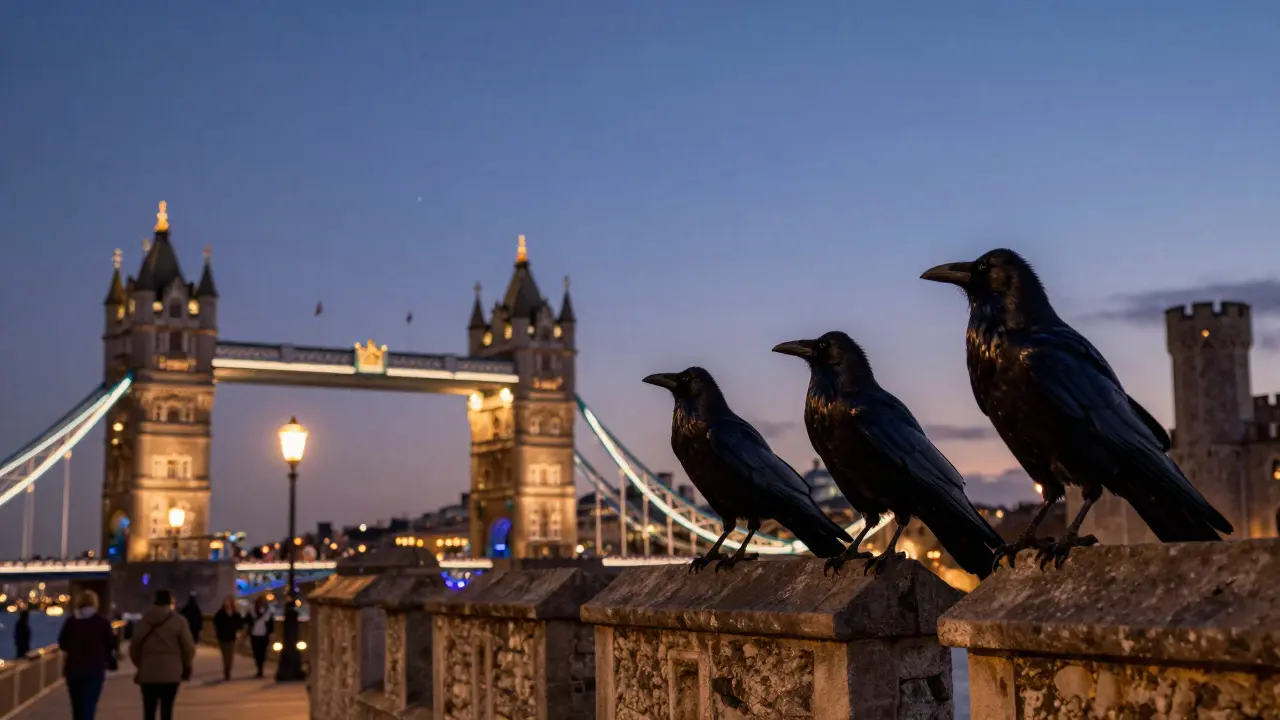
Legend says if the ravens leave the Tower, the kingdom will fall. That’s why there are always at least six ravens living here - and a seventh in reserve. Their wings are clipped slightly, not to trap them, but to keep them from wandering too far. The Ravenmaster, a Beefeater with a special title, feeds them raw meat daily. He’s been known to scold tourists who try to feed them biscuits - the ravens have a strict diet, and the Tower doesn’t take chances.
One of the current ravens, named Merlina, is a local celebrity. She’s been seen perched on the roof of the Jewel House, watching the commuters cross Tower Bridge. Locals in Southwark and Bermondsey know her by sight. Some even bring her a bit of chicken from the nearby pub, The Anchor - though they’re told not to. The ravens are part of London’s folklore, and they’ve outlasted empires.
A Fortress That Never Sleeps
Unlike many historic sites, the Tower of London never closes. Even on Christmas Day, the Beefeaters are on duty. The Crown Jewels are locked in a vault beneath the Tower, monitored by motion sensors and pressure pads. The vault is accessed only by three people - the Lieutenant of the Tower, the Keeper of the Jewel House, and the Queen’s representative. No one else.
There’s a quiet routine here. Every evening at 9:58 PM, the Ceremony of the Keys takes place. It’s been done the same way for over 700 years. The Chief Yeoman Warder locks the main gates with a brass key, walks to the Middle Tower, and shouts, “One of the keys is missing!” - a tradition dating back to when the Tower was under threat. Then, the guard responds: “All’s well!” The gate is opened, the key is handed over, and the gates are locked again. Locals who live near Tower Hill often pause for a moment when they hear the distant bell toll - it’s the signal that the Tower is secure for the night.
Why Londoners Still Care
For many Londoners, the Tower isn’t a monument. It’s a neighbor. You’ll find students from Goldsmiths, University of London, sketching its walls in their notebooks. You’ll see young couples from Peckham taking photos under the moat’s arches. You’ll hear the accent of a retired firefighter from Hackney telling his grandchild about the time he saw the ravens fly over the City skyline at dusk.
It’s also a place of quiet reflection. On Remembrance Sunday, the Beefeaters stand in formation with poppies on their uniforms. The chapel of St Peter ad Vincula becomes a place of mourning for families who lost loved ones in wars - not just soldiers, but civilians too. The Tower remembers. It doesn’t just display history. It holds it.
How to Visit Like a Local
- Go early. The gates open at 9 AM, and by 10:30, it’s packed. If you want to stand alone in the Jewel House, go at opening.
- Take the DLR to Tower Gateway. It’s faster than the Tube and drops you right at the entrance. Avoid the overpriced parking near Tower Bridge.
- Buy your ticket online. Skip the queue. The Tower’s official site offers timed entry - no waiting, no stress.
- Walk the moat. It’s not just a ditch. It’s a path lined with ancient oaks and hidden benches. Locals come here to read, smoke, or just think.
- Visit the ravens before noon. They’re most active in the morning. The Ravenmaster gives a short talk at 11:30 - it’s free and unforgettable.
- Stop at The Yeoman’s Tap, just outside the main gate. It’s a Beefeater-owned pub with real ales and pies that taste like they’ve been made since 1952. Ask for the ‘Tower Special’ - it’s not on the menu, but they’ll make it.
The Tower Isn’t Just a Monument - It’s a Living Story
It’s easy to think of the Tower of London as a relic. But it’s not frozen in time. It’s still changing. New exhibits appear every year - recently, a display on the role of women in the Tower’s history, from Eleanor of Aquitaine to the female guards who now serve as Yeomen Warders. The Crown Jewels were last cleaned in 2023 by a team from the Royal Collection Trust, using techniques unchanged since the 1800s.
For Londoners, the Tower isn’t about ticket prices or Instagram backdrops. It’s about continuity. It’s the place where your grandparents came as children, where your school trip ended with a pasty from the kiosk, where you first heard the story of the princes in the tower - and wondered if it was true.
It’s not just a fortress. It’s a promise. That history doesn’t vanish. It just waits - in the stones, in the ravens, in the quiet of the chapel - for you to listen.
Can you visit the Tower of London at night?
No, the Tower of London is not open to the public after hours. However, the Ceremony of the Keys - a centuries-old ritual where the gates are locked for the night - still takes place every evening at 9:58 PM. It’s open to the public, but you must book tickets months in advance. It’s one of the oldest continuously performed ceremonies in the world and is considered a must-see for history lovers in London.
Are the Crown Jewels real?
Yes, the Crown Jewels on display are the genuine regalia used in coronations and state ceremonies. They’ve been in continuous use since the 17th century, with pieces dating back to the 12th century. The diamonds and gemstones are authentic, though some settings have been replaced over time. The jewels are guarded by armed personnel, motion sensors, and a vault designed to withstand a direct hit.
Why are there ravens at the Tower?
According to legend, if the ravens leave the Tower, the monarchy and Britain will fall. To prevent this, at least six ravens are kept at all times, with a seventh in reserve. They are cared for by the Ravenmaster, who feeds them raw meat daily. Their wings are clipped slightly to keep them from flying too far - but they still patrol the grounds, often perching on the battlements or stealing tourists’ hats. They’re not just symbols - they’re part of the Tower’s living tradition.
Do Beefeaters still live at the Tower?
Yes. The Yeomen Warders, or Beefeaters, live in apartments within the Tower grounds. To qualify, you must be a retired member of the British Armed Forces with at least 22 years of service. Many have lived there for decades, raising families in the same buildings where kings were once imprisoned. Their homes are part of the Tower’s structure - some date back to the 1500s. It’s one of the few places in London where you can still live inside a working fortress.
Is the Tower of London worth visiting if you’re from London?
Absolutely. Many Londoners visit once a year - often on a quiet weekday morning. The Tower changes subtly over time: new exhibits, restored armor, updated stories. Locals know the best spots - the chapel for quiet reflection, the moat for morning walks, the Ravenmaster’s talk for a real connection to history. It’s not just a tourist attraction. For Londoners, it’s a touchstone - a reminder of where the city came from, and who still guards it.